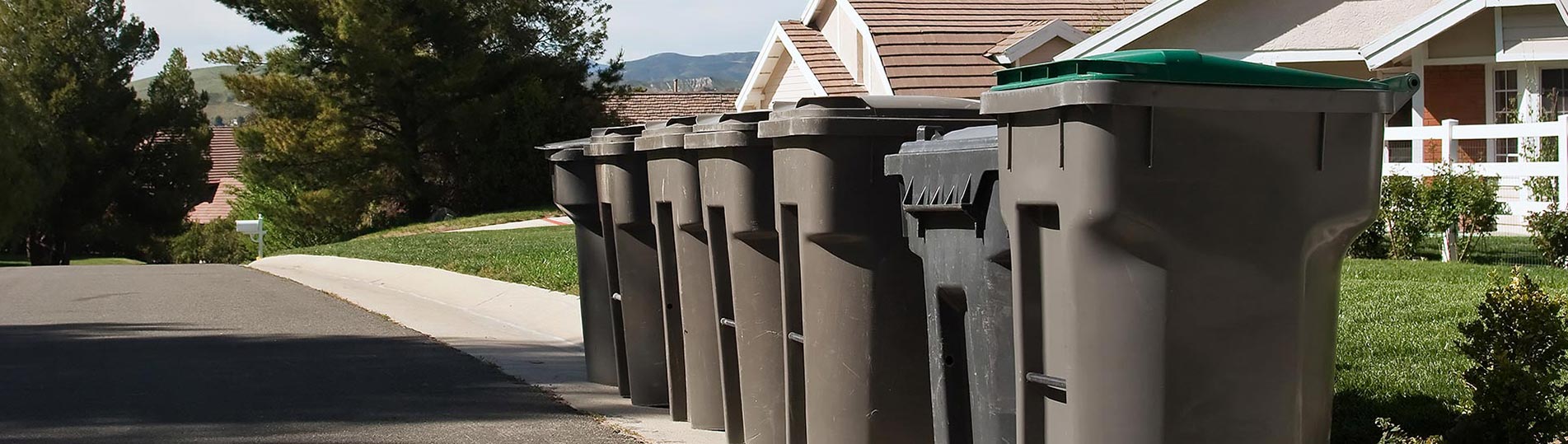
Rubbish Clearance in Kensington for households, landlords and businesses
Rubbish Clearance Kensington provides practical rubbish removal in Kensington for properties that need unwanted items taken away with care and minimal disruption. Our service is built around clearing mixed household waste, bulky items, light commercial waste and more specialised loads such as builders waste or garden debris, so customers can choose a service that matches the job rather than trying to fit everything into one narrow option.
If you are planning a one-off clearance, a move, refurbishment or regular tidy-up, our approach is straightforward: identify the waste type, choose the most suitable clearance route and arrange a collection that is workable for the property. For an overview of the range we cover, you can see our service overview. If you already know what needs removing, a quick enquiry is usually the best place to start.
We keep the main service focused on safe, organised rubbish removal, with enough flexibility to handle different property types and access conditions. That matters in a busy area where flats, terraces, offices and managed buildings may all need different handling. Use the pages below to compare specific clearance types, understand pricing factors and decide which route is right for your next collection. Request a quotation when you are ready.
House clearance and general household rubbish removal
House clearance is often the most useful option when rooms, lofts, cupboards or entire properties need to be emptied in a controlled way. Our house clearance Kensington page covers the kind of household contents usually included, from old furniture and everyday clutter to accumulated mixed waste that no longer has a place in the property. The emphasis is on removing items efficiently while keeping the process sensible for the space and the occupants.
For customers with a smaller but still awkward load, general rubbish removal can be the better fit. It is useful when the job is not quite a full house clearance but still includes more than a single item or bagged waste. We can help with bulky pieces, mixed rubbish from a declutter, or items left over after a move or tenancy change. If the load is mostly domestic and straightforward, this route is often easier to plan than a larger clear-out.
Before the collection, it helps to think about the type of waste involved, whether there are stairs or limited access, and whether anything needs to stay in place. A short list is usually enough to begin, and photographs can help separate reusable-looking items from general rubbish or bulky waste. Keep the explanation simple and accurate so the quotation matches the real work rather than a guessed description. Then ask for a quote once the scope is clear.
Builders waste disposal and site clearances
Refurbishment and maintenance projects usually produce a different kind of waste from a household declutter, which is why builders waste disposal has its own place in the service range. Our builders waste disposal Kensington page is aimed at common construction debris such as broken materials, packaging, offcuts and mixed load remains from renovation work. It is a practical option when a skip is not the most convenient choice for the site or access conditions.
Builders waste often needs separating by weight, material and handling needs. Plasterboard, timber, rubble, packaging and mixed renovation debris can each affect the collection method, so a clear description of the waste helps us match the job to the right approach. If the site is still active, it is also worth noting whether loading access is direct, whether items are upstairs, and whether the waste is inside or outside the property. Those details make the plan more reliable.
Useful details for a builders waste enquiry include the type of work completed, the approximate volume of waste, the floor or area involved and any time restrictions on site. That is usually enough to shape a useful quotation without overcomplicating the process. When the waste is ready and the job has a defined scope, the next step is simply to request a quotation.
About Kensington
Kensington is a district in West London within the Royal Borough of Kensington and Chelsea, known for a strong mix of residential streets, museums, retail areas and garden squares. It developed from a village centred on Kensington High Street and later became closely associated with elegant townhouses, mansion blocks and embassy properties, many of which still shape its character today. The area sits near Hyde Park and Kensington Gardens, with the parkland providing a major open space that connects the district to central London while also giving it a greener feel than many nearby neighbourhoods. Kensington Palace is one of the best-known landmarks, and its surrounding palace gardens and historic setting remain a major point of reference for the area’s identity. The district also includes cultural institutions such as the Natural History Museum, the Science Museum and the Victoria and Albert Museum, which together make the wider South Kensington area one of London’s most visited museum quarters. Commercial life is concentrated along routes such as Kensington High Street, where shops, restaurants and services sit alongside civic and residential uses. The local built environment varies from grand terraces and stucco-fronted squares to later apartment developments and converted buildings, reflecting different waves of urban change. Good transport links, established institutions and a long history of settlement have all helped Kensington remain a distinct and recognisable part of London, while still being closely tied to neighbouring districts and the wider West End.
Office clearance and commercial waste removal
Office clearance calls for a slightly different approach because the waste mix can include furniture, shelving, archived paperwork, packaging and redundant equipment. Our office clearance Kensington page is the best place to look when workplaces need an organised clear-out rather than a simple one-off collection. It suits businesses moving premises, reducing storage, replacing furniture or clearing rooms that have become too full for efficient use.
Commercial waste removal can also cover lighter office rubbish, mixed items from a workspace refresh and clearance tasks in ancillary rooms, storage areas or back-of-house spaces. The key consideration is how the waste is stored, what needs protecting during removal and whether there are items that should be separated before collection. It is usually better to describe the contents by type rather than using a broad label like “office junk”, because that gives a clearer picture of the actual work involved.
For office and commercial clearances, it is helpful to note access arrangements, floor level, any lift use and whether the waste includes items that are heavy, awkward or sensitive. If you want to compare this with other clearance options first, the waste removal Kensington page gives a broader view of general collection work. Once you have identified the right service, ask for a quotation and keep the enquiry focused on the items to be removed.
Garden waste removal and outdoor clearance
Garden waste removal is useful when outdoor spaces need a proper tidy-up after pruning, landscaping or seasonal maintenance. Our garden waste removal Kensington page covers the typical contents found in this kind of job, such as branches, hedge cuttings, soil, turf, leaves and other green waste. It is a practical option when a garden bin is not enough or when the amount of material makes a simple household disposal route inconvenient.
Outdoor clearances can also involve old plant pots, broken furniture, timber, fencing offcuts and other non-green items that build up around patios, sheds or yards. Those loads are best described clearly so the right collection approach can be chosen from the outset. If there are both green and general waste elements, separating them where practical can make the job easier to assess and more efficient to complete.
When planning this kind of clearance, it helps to consider where the waste is stored, whether it is easy to reach and whether any material is still loose, bagged or stacked. A few accurate notes are more useful than a long explanation, particularly when the pile includes different material types. If you are ready to move on, request a quotation for the collection you need.
Pricing, quotations and service choices
Understanding pricing is often a key part of choosing the right clearance service, especially where the waste type, volume and access all affect the work involved. Our prices page is useful if you want to see how quotations are approached and what factors may shape the cost of a collection. That is often more helpful than trying to compare jobs by guesswork, because the same volume can be very different depending on what has to be removed.
Some jobs are best suited to a dedicated clearance type, while others work better as general rubbish removal. The difference usually comes down to what the waste is, how much there is, and whether the contents are household, commercial, garden or renovation related. When the load is mixed, a clear description can help identify the most suitable route without adding unnecessary complexity. If you are unsure which service to choose, a simple outline of the waste is enough to begin.
Good quotation requests usually mention the property type, waste type, estimated quantity and any access issues such as stairs, narrow passages or loading restrictions. That information helps keep the quotation relevant and avoids back-and-forth later. If you would like to discuss the job further, the next step is to request a quotation and use the details that best describe the work.
Safety, handling and responsible removal
Clearance work should be organised with safety in mind, especially where heavy furniture, sharp fragments or awkward access are involved. Our insurance and safety page is relevant if you want to understand the practical side of handling waste with care. Safe removal is not just about lifting items; it also means planning the route, protecting surrounding areas and managing the load in a sensible way.
Responsible disposal is another important consideration. Different waste streams may need different handling, and customers often want a service that can deal with mixed items without turning the process into a complicated project. For that reason, it helps to be accurate about what is being cleared and whether anything is reusable, recyclable or simply to be removed as general waste. A well-described job is usually easier to organise and less likely to be misunderstood.
When you contact us about a clearance, keep the description clear and practical rather than decorative. A short note on the contents, approximate quantity and where the items are located is usually enough to get things moving. If the job looks straightforward, ask for a quote and we can help you work out the most suitable next step.
Related pages and practical next steps
Some customers prefer to start with a broad page, then move into a more specific clearance type once they know what needs removing. If you are still comparing options, the rubbish clearance Kensington page is a useful starting point for general removal work, while the broader pricing and quotes page helps bring the commercial side into focus. These pages are designed to make the decision process simpler before you commit to a particular service.
It can also help to think about the order of the work. For example, a flat clearance may involve removing furniture before sorting smaller rubbish, while a refurbishment job may need builders waste taken away after the main installation stage. The important point is to match the service to the condition of the space and the type of waste present, rather than forcing everything into one vague request. That keeps the conversation practical and the quotation more relevant.
If you are ready to make progress, keep your enquiry short and specific. A few lines about the property, the items and the access will usually be enough to begin. For the final step, use our contact us page to request a quotation and tell us what needs clearing.


 Tipper Van - Waste Disposal and Rubbish Clearance Prices in Kensington, SW7
 Luton Van - Waste Disposal and Rubbish Clearance Prices in Kensington, SW7