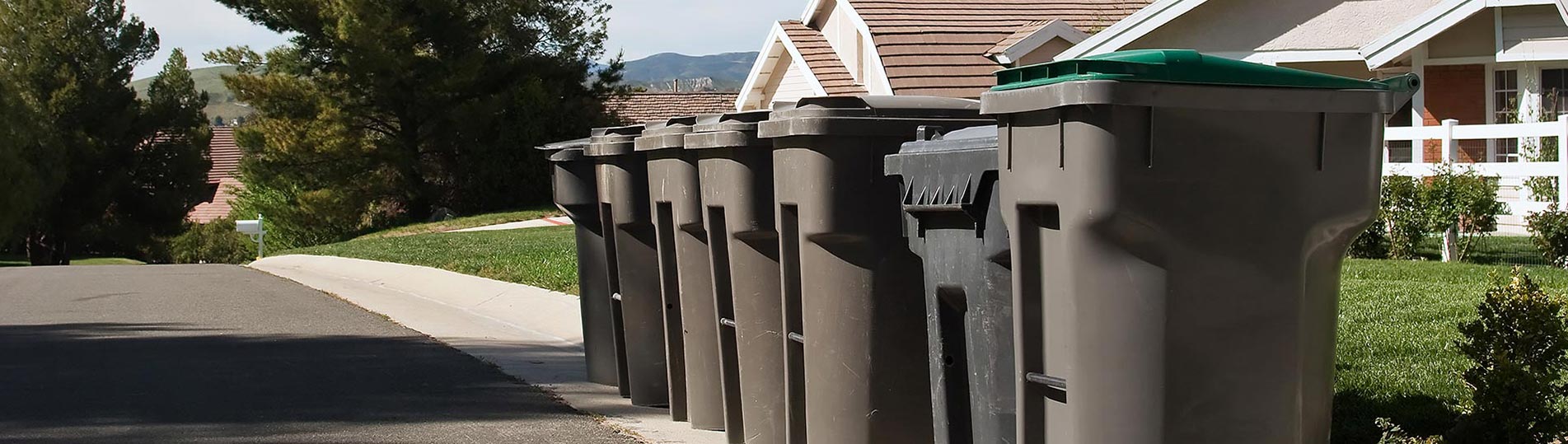
Kensington council rules for bulky rubbish disposal in W8
Posted on 07/07/2026
Kensington council rules for bulky rubbish disposal in W8: a practical guide for residents and landlords
If you live in W8, bulky items have a habit of showing up at the worst possible moment. A sofa that will not fit through the door, a broken wardrobe after a move, a mattress that has seen better days, or builder's offcuts sitting in the hall for far too long. That is where understanding Kensington council rules for bulky rubbish disposal in W8 really pays off. It helps you avoid fly-tipping mistakes, keep shared entrances clear, and pick the most sensible way to get rid of awkward waste without turning a simple job into a neighbourhood headache.
This guide breaks down how bulky waste disposal usually works in Kensington, what items are commonly accepted or refused, what to do before collection day, and when a private clearance service makes more sense. You will also find a checklist, a comparison table, and a few practical pointers gathered from the realities of tight streets, busy mews, and the occasional "where on earth do we put this?" moment.
Why Kensington council rules for bulky rubbish disposal in W8 Matters
Bulky waste is not the same as putting out a normal black bag or even a recycling box. Larger items can block pavements, damage shared hallways, create safety issues for neighbours, and attract complaints very quickly. In a place like Kensington, where streets can be narrow and traffic already feels like it has its own mood, that matters more than people sometimes realise.
There is also the simple matter of responsibility. If you leave a sofa, desk, or broken appliance outside without following the proper process, it may be treated as unauthorised waste. And let's face it, nobody wants a polite-but-firm note from the managing agent, or the far less polite version from a neighbour who needs to get a pram through the entrance at 8am.
The practical side is just as important. Knowing the rules helps you choose the right route: scheduled council collection, a one-off private uplift, or a broader service such as house clearance in Kensington or general rubbish clearance in Kensington. That choice affects time, cost, and how much lifting you have to do yourself. Sometimes the rulebook is not the main issue. It is the logistics.
Expert summary: the best bulky waste solution is usually the one that keeps the property clear, avoids blocking access, and matches the size and urgency of the job. In W8, access often matters as much as the waste itself.
How Kensington council rules for bulky rubbish disposal in W8 Works
In plain English, bulky waste collection is usually arranged as a separate service from standard household rubbish. The council side of the process typically focuses on booking, item types, placement rules, and making sure the waste is ready in a way that crews can handle safely. Exact arrangements can change over time, so it is always worth checking the current local process before you set anything outside.
What usually stays consistent is the basic logic. Bulky items need to be listed in advance, prepared properly, and placed where they can be collected without obstruction. If you live in a flat above street level, in a converted townhouse, or in a mansion block with controlled access, you may need to think one step ahead about stairwells, lift access, concierge timing, and whether the crew can reach the item without disturbing other residents.
Here is the bit people often miss: bulky waste rules are as much about safe handling as they are about disposal. A mattress, wardrobe, or filing cabinet can be awkward to manoeuvre on its own. Add a steep staircase or a cramped basement corridor and the risk of damage rises quickly. That is why many residents in W8 choose a service with insurance and trained operatives, especially if the job involves heavy lifting or mixed waste. For reassurance on that side of things, it helps to review insurance and safety information before booking.
In practical terms, the process usually looks something like this:
- Identify what needs removing and separate it from other household waste.
- Check whether the items are accepted and whether any special handling is needed.
- Decide if council collection or a private clearance option is the better fit.
- Book the collection and follow any placement instructions carefully.
- Keep access clear on the day so the crew can work efficiently.
That sounds simple, and sometimes it is. But in Kensington, even a simple job can become awkward if there is no loading space outside, the lift is small, or the item is too large to move as one piece. You will notice this especially in older buildings and busy streets near transport hubs. A bit of planning goes a long way.
Key Benefits and Practical Advantages
Following the right bulky waste process is not just about staying on the right side of the rules. It gives you a cleaner, safer, less stressful outcome. And if you are moving, renovating, or clearing a property, stress reduction is not a small thing. It is usually the main thing.
- Cleaner kerb appeal: no piles of furniture sitting outside the building for days.
- Safer access routes: hallways, entrances, and shared pathways remain usable.
- Less risk of rejection: items are prepared and booked in the right way.
- Better timing: you can align disposal with a move, sale, tenancy end, or refurbishment.
- Fewer disputes: neighbours and landlords are less likely to complain when access is respected.
- Improved recycling outcomes: usable materials are more likely to be sorted properly when handled by a professional team with a recycling-first mindset.
There is also a financial angle. A badly timed collection can lead to extra handling, storage problems, or missed deadlines. If you are in the middle of a home sale, for example, clearing bulky items early can save a surprising amount of last-minute scrambling. For people handling property moves, the article on home transactions in Kensington is a useful companion read because clearance timing often becomes part of the wider move-out plan.
One more practical advantage: good disposal planning makes it easier to decide what should be reused, donated, recycled, or removed as waste. That is not only tidier. It is calmer. Sometimes just seeing the space again changes the whole mood of a flat. Honestly, a cleared room can feel like a small exhale.
Who This Is For and When It Makes Sense
This topic matters to more people than you might expect. Bulky rubbish is not just a landlord problem or a "someone is renovating" problem. It turns up in ordinary life: end-of-tenancy clear-outs, new furniture deliveries, loft declutters, office moves, garden refreshes, post-party tidy-ups, and the classic "we thought it would fit in the lift" situation.
You may need to think about Kensington council rules for bulky rubbish disposal in W8 if you are:
- a homeowner replacing old furniture or white goods;
- a tenant moving out of a flat or maisonette;
- a landlord preparing a property for new occupants;
- a managing agent dealing with communal waste issues;
- a business owner clearing office furniture or archive items;
- a contractor handling refurbishment debris that does not belong in normal waste streams;
- someone clearing a loft, cellar, garage, or storage room.
For example, a loft clear-out near the palace area can uncover all sorts of awkward items: an old armchair, a broken fan, odd packaging, maybe a rusty exercise bike that nobody has used since lockdown. If that sounds familiar, you may find the guidance on clearing loft rubbish before a move especially relevant.
It also makes sense when timing is tight. A same-day turnaround is sometimes needed when a sale completes, a tenancy changes, or works begin earlier than planned. In those moments, residents often run into capacity or timing issues, which is why same-day rubbish removal delays in Kensington is worth reading before you assume a fast booking will be effortless.
Step-by-Step Guidance
If you want a smoother process, treat bulky waste like a small project rather than a random chore. A little structure saves time later. Here is a practical way to do it.
- Sort the items. Put furniture, appliances, mixed rubbish, and recyclable materials into separate piles if you can. This makes it easier to describe the load and avoid mistakes.
- Check size and access. Measure the largest item and think about the route out of the property. Stairs, narrow landings, low ceilings, and tight front doors can all matter.
- Decide what needs specialist handling. Some items may need extra care because of weight, glass, electrical components, or condition.
- Choose the disposal route. For a single bulky item, a council collection may be enough. For several rooms' worth of waste, a dedicated clearance service is often more efficient.
- Prepare the space. Clear access, protect floors if needed, and keep pets and children out of the way. It sounds obvious, but people forget this step all the time.
- Confirm the collection time window. In central London, timing matters. If access is awkward or the street is busy, that window can be more important than the date itself.
- Keep communication open. If the crew needs a gate code, intercom help, or instructions for a rear mews entrance, send that information in advance.
A very ordinary example: a resident in a top-floor flat books a collection for a wardrobe and broken bed frame. The items are ready, but the corridor is full of delivery boxes and the lift is barely wide enough for one person with a suitcase. The collection still happens, but only after everyone spends ten minutes shifting things around. Ten minutes does not sound like much. On a busy morning, it feels like forever.
If you are not sure what your needs actually are, it can help to map them against the kinds of services available on the site's services overview or use the page on your rubbish removal needs to judge the right level of support. That is usually more helpful than trying to force every situation into one category.
Expert Tips for Better Results
From a practical point of view, the best bulky waste jobs tend to be the ones where the client thinks ahead by one step. Not five steps. Just one. That is enough.
- Disassemble when sensible: removing legs, shelves, or doors can make a huge difference to access and safety.
- Keep similar items together: it helps the crew work faster and makes sorting easier.
- Avoid mixing waste streams: putting food waste, rubble, furniture, and electronics into one heap can create needless delays.
- Be realistic about weight: a large cabinet can look manageable right up until you try turning it in a staircase.
- Leave room at the entrance: a clear front path can make the difference between a tidy job and a frustrating one.
- Ask about recycling sorting: if sustainability matters to you, choose a provider that explains how items are separated and recycled where possible. The page on recycling and sustainability is a sensible place to start.
One small but useful habit: take a quick photo of the items before collection. It helps if you need to compare quotes, confirm what was included, or avoid confusion later. Nothing dramatic. Just a couple of photos on your phone. A bit boring, yes. Also very useful.
If the job is tied to a property sale or move, it is worth coordinating with the broader schedule. The local guides on buying in Kensington and whether Kensington is the best place to live are not waste articles as such, but they do remind you how often clearance timing overlaps with moving plans, refurbishments, and changing household needs.

Common Mistakes to Avoid
Most bulky waste problems are not dramatic. They are just annoying, avoidable little missteps. That is why they keep happening.
- Leaving items out too early: this can block access, upset neighbours, and increase the chance of items being moved or damaged.
- Assuming all large items are treated the same: electricals, mattresses, soft furnishings, and mixed loads can have different handling needs.
- Underestimating access problems: narrow staircases, parked cars, and low front steps can turn a simple uplift into a difficult one.
- Not checking booking details: a collection window that is too tight for your building layout can create delays.
- Forgetting landlord or managing agent approval: in managed buildings, this can matter more than the item itself.
- Trying to hide waste behind the building: that is often how fly-tipping complaints begin.
Another common one: people clear a loft or spare room and forget that bulky waste can include more than furniture. Old mirrors, broken shelving, and awkward packaging all add up. Before you know it, the hall looks like a staging area for a very messy play. If you are managing a more complex clear-out, the article on common problems with rubbish trucks in narrow Kensington streets is a good reminder that access and timing are not minor details in this part of London.
Truth be told, a lot of "bad disposal" issues come from trying to solve a logistics problem with guesswork. Better to slow down for five minutes and get it right.
Tools, Resources and Recommendations
You do not need a warehouse full of equipment to handle bulky rubbish well, but a few simple tools make the job easier. Think practical, not fancy.
- Tape measure: useful for door frames, hallways, stair turns, and item dimensions.
- Marker pen and labels: great for separating what is going, what is staying, and what needs recycling or donation.
- Heavy-duty gloves: especially useful for splintered wood, sharp edges, or dusty loft items.
- Phone camera: for documenting item condition, access points, and quote comparisons.
- Basic trolley or dolly: only if the item and route allow it safely; otherwise, do not force it.
As for resources, the most useful ones are usually the ones that help you make a decision quickly and accurately. The site's pricing and quotes page is helpful if you are comparing options, while waste removal in Kensington is a sensible destination if your load is bigger than a single bulky item. For offices, office clearance in Kensington is often the better fit, and for garden debris the more specific garden waste removal service may save time and keep sorting cleaner.
If you want a broader sense of who is behind the service and how they operate, the about us page is worth a look. That sort of background matters more than many people think when you are letting someone onto your property and trusting them with access.
Law, Compliance, Standards, or Best Practice
This is the part people often skip, but it is where many avoidable mistakes start. Bulky waste disposal is not only about convenience. It is tied to property rules, waste handling duties, and basic public-space responsibility.
In practice, you should think about three layers of compliance:
- Local rules: the council process for booking, placing, and presenting bulky waste.
- Building rules: leasehold restrictions, concierge arrangements, estate policies, and access conditions.
- Waste duty of care: the expectation that waste is handled by a responsible operator and not dumped where it should not be.
Best practice is straightforward even if the wording around it can feel a bit dry. Keep waste contained until collection, use a lawful disposal method, avoid obstructing pavements or entrances, and make sure the operator is set up to handle the type of waste you have. If you are dealing with items from building works, the specialist builders' waste disposal page is more appropriate than a generic household collection, because construction waste often needs different handling and sorting.
Insurance matters too. So does access. If a crew has to carry a heavy item through a communal hallway, a sensible operator should think about risk, protection, and safe lifting rather than rushing it. That is one of the reasons people in W8 often choose a provider with clear procedures rather than just the cheapest option on paper. Cheap can become expensive very quickly if something gets scratched, blocked, or delayed.
Options, Methods, or Comparison Table
There is no single right answer for every bulky rubbish job. The best method depends on how much you have, how quickly it needs to go, and how awkward the access is. A quick comparison can make the choice much clearer.
| Method | Best for | Typical strengths | Common limitations |
|---|---|---|---|
| Council bulky waste collection | One-off bulky items or small numbers of items | Simple, familiar, suitable for straightforward jobs | May involve booking windows, item limits, and less flexibility |
| Private bulky item removal | Fast turnaround, awkward access, or several large items | More flexible timing, labour included, often easier for flats and mews | Usually priced as a bespoke service rather than a fixed simple fee |
| Full property clearance | Moves, probate, refurbishments, or major decluttering | Comprehensive, efficient, reduces repeated bookings | May be more service than you need for a single item |
| DIY transport to a recycling facility | Households with time, transport, and physical capability | Direct control, useful for small manageable loads | Time-consuming, physically demanding, and not always practical in W8 |
For many residents, the private route ends up being the most practical once access and time are factored in. That does not make it the only option, but it often feels the least disruptive. If you are unsure, think about whether you are solving a single-item problem or an access-and-time problem. In Kensington, the second one is often the real one.
For a more service-led view, the page on rubbish clearance in Kensington gives a useful sense of how broader removal jobs are handled alongside more specific services.
Case Study or Real-World Example
Picture a family in a W8 flat preparing for a move. They have a broken sofa, two chest-of-drawers, a mattress, a small table, and a pile of odds and ends from the loft. At first, they assume they can leave everything out together and sort it on the day. But the building has a narrow stairwell, parking is tight, and the concierge has a limited handover window.
Instead of leaving it to chance, they separate the items by type, measure the larger pieces, photograph the access route, and book the disposal in advance. They also check whether anything should be treated as a separate waste stream. The result? No last-minute panic, no awkward blocking of the entrance, and no frantic dragging of a wardrobe frame at 7:45 in the morning. Relief. Proper relief.
That sort of case is not unusual. In fact, it is probably the norm in central and west London homes where storage is limited and movement through the property is more complicated than the item itself. If the property is part of a managed estate, the process can be even smoother when residents align waste collection with building rules. A related local example is covered in rubbish collection for Holland Park estates in Kensington, which shows how estate logistics and removal planning often overlap.
Another common scenario is a small office or home-office reset. Filing cabinets, old chairs, broken monitors, and surplus desks can quickly fill a room. In that case, a dedicated office clearance is usually more efficient than trying to piece together multiple smaller collections.
Practical Checklist
Use this checklist before you book or present bulky waste. It keeps things tidy and saves back-and-forth later.
- Identify every item that needs to go.
- Check whether any item is electrical, hazardous, very heavy, or unusually awkward.
- Measure the largest pieces and the tightest access points.
- Confirm whether the building has rules for waste collection or storage.
- Decide whether council collection or a private clearance is the better fit.
- Keep the route to the item clear.
- Move valuable, fragile, or personal items out of the way.
- Prepare the collection area so the crew can work safely.
- Double-check timing, access codes, and parking restrictions.
- Keep a record of what was removed, just in case.
If you want a practical next step, compare your load with the kinds of services described on the site and then decide whether you need one item removed, a room cleared, or a full property emptied. That one decision usually resolves half the stress.
Get a free quote today and see how much you can save.
Conclusion
Kensington council rules for bulky rubbish disposal in W8 are really about three things: keeping the area safe, keeping access clear, and matching the right disposal method to the job. Once you understand those basics, the whole process becomes much more manageable. You stop guessing, you avoid annoying mistakes, and you can get on with the actual move, refurb, or declutter without that nagging feeling that something has been done wrong.
In a neighbourhood where space is precious and streets can be unforgiving, good waste planning is not a luxury. It is just sensible. A little preparation saves time, a lot of hassle, and usually a fair bit of frustration too. And that, to be fair, is worth more than it sounds.
When you are ready, take the pressure off the process and choose the route that fits your property, your timing, and your access. Small step, big difference. That is often how the best local decisions start.


From a young age, Blair has cultivated a passion for order, which has now matured into a prosperous profession as a waste removal specialist. She derives satisfaction from transforming disorderly spaces into practical ones, aiding clients in conquering the burden of clutter.
 Tipper Van - Waste Disposal and Rubbish Clearance Prices in Kensington, SW7
 Luton Van - Waste Disposal and Rubbish Clearance Prices in Kensington, SW7