Kensington council rules for household rubbish collection
Posted on 17/08/2026

Kensington council rules for household rubbish collection: a practical guide for residents
If you live in Kensington, rubbish collection can feel simple right up until it suddenly isn't. One week everything goes out neatly, the next you've got a missed collection, a bulky item blocking the hallway, or a confusing note about what can and cannot be left on the pavement. Kensington council rules for household rubbish collection matter because they affect daily life, kerbside presentation, recycling habits, and even whether you avoid complaints or penalties. This guide breaks the whole thing down in plain English, with the practical bits front and centre.
We'll cover how the system usually works, what residents often get wrong, how to prepare waste properly, and when a separate collection or specialist clearance makes more sense. If you're moving home, clearing a flat, dealing with garden cuttings, or just trying to stay on the right side of local rules, this should save you time and a fair bit of hassle.
Why Kensington council rules for household rubbish collection Matters
Household rubbish rules are not just there to be awkward. In a dense, high-footfall part of London like Kensington, they help keep streets passable, reduce spillages, improve recycling, and stop bins becoming a magnet for foxes, gulls, and general mess. To be fair, that last bit is easy to picture on a damp Tuesday morning when a bag has split and the pavement is doing its own little recycling experiment.
For residents, the rules matter for a few very practical reasons:
- They keep collections predictable. If rubbish is sorted and presented correctly, crews can do the job faster and more safely.
- They reduce missed pickups. Incorrect bags, contamination, or items left out too early can all lead to refusals.
- They support recycling. Kensington households are expected to separate materials sensibly, rather than treating every bin as one big catch-all.
- They protect narrow streets and shared spaces. This is especially relevant in mansion blocks, mews streets, and busy residential roads where access can be tight.
There's also a neighbourly angle. In shared buildings, one household's sloppy disposal habits can quickly become everybody's problem. A bin store that smells by Friday afternoon is not just annoying; it can cause complaints, pest issues, and unnecessary cleaning costs. If you're in a flat with limited storage, the issue can feel even more immediate.
People moving into the borough often look for guidance on related practical matters too, especially if they're navigating a move, a renovation, or a property transaction. In those situations, articles such as home transactions in Kensington and the Kensington real estate buying guide can be useful background reading, because rubbish planning and moving logistics often overlap.
How Kensington council rules for household rubbish collection Works
At a basic level, household rubbish collection follows a familiar pattern: you separate waste into the right streams, place it out correctly, and wait for the scheduled collection. The detail, of course, is where people trip up.
In Kensington, the practical expectation is usually that household waste is sorted into the appropriate containers or presented in the right format for collection. That means general rubbish stays separate from recycling, food waste is handled carefully if applicable, and bulky items are not dumped casually beside the bin. If a property has shared bins, those rules become even more important because one person's mistake affects everyone.
What residents usually have to think about
- Container type: Use the correct bin, sack, or box for the waste stream.
- Presentation time: Put waste out at the right time rather than leaving it on the street too early.
- Bagging and bundling: Secure loose rubbish so it doesn't blow around or split.
- Contamination: Do not mix food, glass, garden waste, and general waste in a way that ruins recycling.
- Bulky items: Sofas, mattresses, wardrobes, broken white goods, and builders' waste generally need a separate solution.
In many streets, timing matters almost as much as sorting. Put bags out too early and you risk obstructions, complaints, or rain-soaked packaging. Put them out too late and you may simply miss the round. The result is the same: another night with a bin that should already be gone.
For households dealing with bigger clear-outs, the issue becomes less about the regular weekly routine and more about choosing the right disposal method. For example, a loft clear-out before a move can create far more material than the ordinary kerbside system is meant to handle. That's where practical guides like clear loft rubbish in Kensington Palace area before move become especially relevant.
You may also run into street-specific constraints. Narrow roads, parked cars, and limited turning space can delay or complicate collections. That is one reason why local operational articles such as common problems with rubbish trucks in narrow Kensington streets and confusing booking windows for Kensington waste removal explained are so useful: they show how practical logistics shape what happens on the day.
Key Benefits and Practical Advantages
Following the rules properly gives you more than a tidy front step. It creates a small but real chain of benefits that makes everyday life smoother. And yes, smoother rubbish collection sounds unglamorous. But if you've ever dragged a broken chest of drawers back inside because you missed collection day, you already know why this matters.
- Cleaner communal spaces: Shared entrances, bin stores, and pavements stay more presentable.
- Better recycling outcomes: Correct separation means more of the right material can be recovered.
- Less disruption: You avoid rework, extra storage, and emergency trips to the bin area.
- Lower risk of complaints: Neighbours are less likely to report missed or badly presented waste.
- Less need for last-minute paid removal: Planning ahead helps you avoid rush fees and awkward booking windows.
There's another advantage people often overlook: compliance helps you make better decisions when you genuinely do need extra help. If you already know what the council system can handle, it becomes much easier to judge when a house clearance, garden waste collection, or office declutter needs a separate service. That's where a broader overview like services overview can help you see the difference between routine disposal and specialist waste handling.
For people focused on sustainability, the rules also create a habit of using the right stream for the right material. If you want to think a bit more carefully about waste reduction, recycling and sustainability is a useful place to deepen that mindset without making the subject feel preachy.
Who This Is For and When It Makes Sense
Truth be told, this topic is for almost anyone living in Kensington, but some households will feel the pain points more than others.
- Flat owners and tenants: Especially in shared buildings where bin space is limited.
- Families: More packaging, more food waste, more weekly volume. Simple as that.
- People moving home: Move week creates odd waste patterns and a lot of packaging.
- Landlords and managing agents: Shared bin arrangements need consistent rules.
- Renovators: Even small DIY jobs can create waste that is not suitable for normal collection.
- Garden owners: Cuttings, soil, and pruning debris can quickly overwhelm a standard bin.
It makes the most sense to pay attention when you notice one of three things: your bin fills too quickly, your waste is too awkward for the regular round, or collections are repeatedly missed because of presentation issues. That last one is a clue, by the way. If the same mistake keeps happening, it usually means the process needs adjusting rather than blaming the calendar.
For example, a household getting ready for a sale or purchase may have to clear out clutter before photos, viewings, or completion day. That's where it may be useful to read home transactions in Kensington alongside this guide. Similarly, if you're considering whether the area suits your lifestyle, you may enjoy is Kensington the best place to live and an insider's guide to the delightful suburb of Kensington London.
Step-by-Step Guidance
If you want a calm, low-drama rubbish routine, work through it in order. Nothing fancy. Just a decent system.
- Sort your waste by stream. Separate general rubbish, recycling, food waste, garden waste, and anything bulky or hazardous.
- Check what your property actually provides. Some homes have individual bins; others rely on shared containers or communal bin stores.
- Use the correct container. Do not overfill, cram, or stuff mixed waste into the wrong bin just to get it gone.
- Bag loose waste securely. This helps prevent leaks, odours, and scattering on windy days.
- Put waste out at the right time. Too early creates clutter; too late can mean a missed collection.
- Remove anything that needs a separate arrangement. Bulky items, electricals, and builders' waste usually need a different route.
- Return containers promptly after collection. This keeps footpaths clear and reduces the chance of complaints.
A useful habit is to do a five-minute check the evening before collection. It sounds almost too basic to mention, but it catches most problems: the wrong bag, a loose cardboard flap, a rogue bottle, a bin lid that will not quite close. Tiny fixes. Big difference.
If you are dealing with a larger clear-out, you may want a more structured disposal plan. In those cases, a more specialised option such as house clearance in Kensington, garden waste removal Kensington, or office clearance Kensington may fit better than forcing everything into the ordinary weekly routine.
If the waste came from a renovation, broken fixtures, or a small building project, it's worth looking at builders waste disposal Kensington. Builders' debris has a habit of being heavier, messier, and more awkward than people expect. One bag of plasterboard can ruin a collection plan very quickly.
Expert Tips for Better Results
Most collection problems are not mysterious. They come from small things stacking up. Here are the habits that make the biggest difference.
- Flatten cardboard before bin day. It saves space and keeps communal bins usable for everyone.
- Keep wet waste separate from dry recycling. Damp cardboard and food residue are common contamination problems.
- Don't leave bins permanently overfilled. If the lid cannot close, the collection may be refused.
- Plan around travel, holidays, and busy weekends. A missed collection is much more annoying when you are away the next morning.
- Think in terms of volume, not just item count. Two items can still be too much if they are bulky.
One very practical tip: if you live in a building with a shared bin area, learn the rhythm of the whole block. Some blocks fill up after weekend entertaining, others after weekday deliveries. It sounds trivial. It isn't. A good bin routine in a shared property is partly about observing patterns, not just obeying signs.
And if you're ever unsure whether a job is "regular rubbish" or "special clearance", that uncertainty itself is useful information. It usually means the waste needs a second look. For pricing clarity, pricing and quotes can help you compare options before you commit to anything.
Common Mistakes to Avoid
This is the section where most people quietly recognise themselves. No judgement. Everyone gets one or two of these wrong at some point.
- Mixing recycling with general waste. It is the fastest way to undermine the whole system.
- Leaving bags out too early. They can split, attract pests, or annoy neighbours before collection even starts.
- Ignoring bulky waste rules. A mattress or sofa is not just a "big bag problem". It usually needs a separate plan.
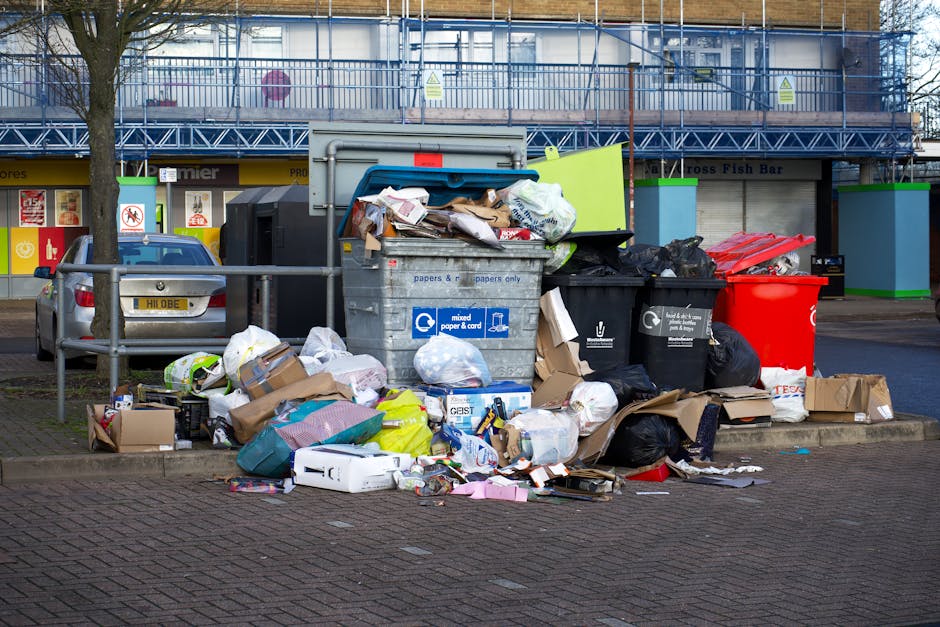
- Using the pavement as overflow storage. That may lead to complaints or removal issues.
- Assuming every collection delay is the council's fault. Sometimes access, presentation, or weather is the real reason.
- Forgetting shared rules in communal buildings. One person's mistake becomes everybody's frustration.
Another mistake is treating all waste as if it has the same disposal route. It doesn't. That's especially true for bulky household items, garden debris, and anything from decorating or light construction. If you need a deeper read on enforcement and access issues, the article on permits and fines for skip hire in Kensington Royal Borough is useful context, particularly if you are also thinking about short-term waste containers.
And for household-scale bulky waste specifically, Kensington council rules for bulky rubbish disposal in W8 gives you a strong local reference point for the kind of issues that tend to arise.
Tools, Resources and Recommendations
You do not need a complicated toolkit to manage rubbish well. Honestly, a sensible routine beats clever gadgets most of the time. Still, a few tools and habits make life easier:
- Wheelie bins or correctly sized containers for avoiding overstuffed bags.
- Re-usable bag hooks or bin store organisers for shared properties.
- Cardboard cutters or box-flattening tools if you order lots of deliveries.
- Strong bin liners and tie closures to prevent leaks and splitting.
- A simple household waste schedule so everyone knows what goes out when.
For residents who want to make better decisions around waste removal, the most useful resources are often the ones that help you match the job to the right service. That's why the pages on rubbish clearance Kensington and waste removal Kensington are worth having in mind when the waste goes beyond normal household volume.
If safety is a concern, especially with lifting, sharp items, or awkward heavy bags, the insurance and safety page is a sensible check before arranging any larger removal. Not glamorous, no, but very useful.
Law, Compliance, Standards, or Best Practice
Household rubbish collection is shaped by local rules, property management expectations, and general UK waste-handling best practice. The exact operational details can vary by street, property type, and waste stream, so it is wise to treat guidance carefully and avoid guessing. That's especially true in Kensington, where dense housing and tight access can change what is practical on a given day.
From a best-practice standpoint, a few principles always apply:
- Do not place prohibited waste in ordinary household bins.
- Keep waste secure and contained.
- Do not obstruct pavements, entrances, or shared access routes.
- Use the appropriate route for bulky, hazardous, or trade-style waste.
- Follow instructions from your property manager or collection provider where relevant.
If you live in a block with a managing agent, there may be building-specific rules on bin stores, collection times, or temporary storage of bulky items. Those local arrangements matter as much as borough-wide guidance, sometimes more so. In other words: the sign in your hallway is not decoration.
For anyone involved in move-outs, refurbishments, or property turnover, compliance also means keeping access clear and reducing the chance of fly-tipping or uncontrolled waste placement. If you need a broader view of what a professional removal arrangement includes, take a look at your rubbish removal needs and about us to understand the service context better.
Options, Methods, or Comparison Table
There is no single best method for every household. The right choice depends on volume, urgency, access, and whether the waste is regular household rubbish or something more awkward. Here's a simple comparison that tends to help people decide.
| Method | Best for | Pros | Limitations |
|---|---|---|---|
| Standard household collection | Everyday rubbish and recycling | Simple, familiar, low effort | Not suitable for bulky or unusual items |
| Bulky waste arrangement | Large household items | Designed for sofas, mattresses, furniture | Needs planning and may not suit urgent clear-outs |
| Garden waste removal | Cuttings, branches, light green waste | Keeps organic waste separate and tidy | Not intended for mixed rubbish |
| House clearance | Move-outs, bereavement, full-property declutters | Useful for larger volumes and mixed items | Usually more involved than a normal collection |
| Waste removal service | Mixed waste, awkward timing, limited access | Flexible and often faster for one-off needs | Requires choosing a trustworthy provider |
For a practical example of how those options differ in real life, think about a small flat clear-out before a tenancy ends. One pile may be fine for regular household disposal, but a broken wardrobe, old mattress, and bags of accumulated clutter will quickly exceed what the usual kerbside system is meant to handle. That is where a more tailored option makes sense.
Case Study or Real-World Example
Imagine a couple in a Kensington flat preparing for a move at the end of the month. They start with the easy stuff: old mail, packaging, and a few broken kitchen bits. Fine. Then they open the spare room cupboard and, well, the situation expands. There are lamps, a folded chair, a damaged shelf, three bags of mixed household junk, and a pile of cardboard that refuses to flatten neatly.
At first, they try to fit it all into the ordinary weekly routine. That is where the trouble starts. The bags do not close properly. The cardboard is too bulky. A neighbour has already left a note about the bin store being crowded. So they pause, separate what can go into normal collection, and arrange a more suitable removal route for the rest.
The result is not dramatic. Nothing cinematic. But it works. The hallway is clear, the bin area stays tidy, and they are not carrying an armchair down the stairs at 8 p.m. while muttering under their breath. Which, let's face it, is a very human way to end a moving week.
That kind of decision-making is common in the borough, especially around properties with tight access or busy communal areas. If you are working through a similar process, the article on same-day rubbish removal delays in Kensington gives a realistic sense of why planning matters, and waste removal near South Kensington Station SW7 explained shows how location can shape logistics.
Practical Checklist
Use this quick checklist before any collection day or clear-out:
- Have I sorted general waste, recycling, and any bulky items separately?
- Are all bags tied, sealed, and not overfilled?
- Is the bin lid fully shut?
- Have I checked the collection day and usual presentation time?
- Is anything too large, heavy, or awkward for the normal system?
- Have I removed items that need special handling?
- Will the waste block a walkway, doorway, or shared access point?
- Do I need a house clearance, garden waste removal, or waste removal service instead?
- Have I told everyone in the household or building what goes where?
- Is there a backup plan if collection is delayed or missed?
If you can answer yes to most of those, you are already ahead of the game. And no, you do not need perfection. Just a tidy process and a bit of foresight.
Conclusion
Kensington council rules for household rubbish collection are really about making shared urban life work. They keep streets cleaner, reduce disputes, support recycling, and help residents avoid unnecessary stress. Once you understand the basic rhythm, the process becomes much easier: sort properly, present waste correctly, and switch to a specialist option when the waste no longer fits the ordinary system.
The biggest win is not just compliance. It is confidence. You know what goes where, what needs extra planning, and how to stop rubbish from becoming one more thing on a long to-do list. That little bit of order goes a long way, especially in a busy part of London where space is precious and time disappears quickly.
Get a free quote today and see how much you can save.
If you are still weighing up your next step, take a breath and start with the simplest question: is this normal household rubbish, or does it need a different solution? Once that is clear, the rest tends to fall into place.


From a young age, Blair has cultivated a passion for order, which has now matured into a prosperous profession as a waste removal specialist. She derives satisfaction from transforming disorderly spaces into practical ones, aiding clients in conquering the burden of clutter.
 Tipper Van - Waste Disposal and Rubbish Clearance Prices in Kensington, SW7
 Luton Van - Waste Disposal and Rubbish Clearance Prices in Kensington, SW7