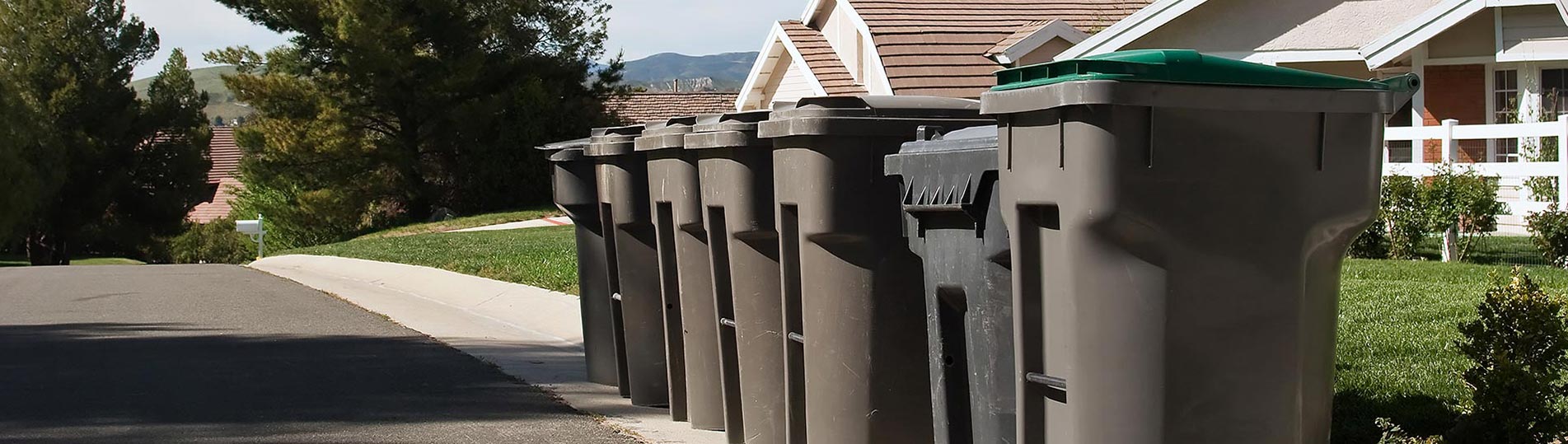
Rubbish collection for Holland Park estates in Kensington
Posted on 08/05/2026
Rubbish collection for Holland Park estates in Kensington: a practical guide for residents, landlords and managing agents
If you live in or manage an estate near Holland Park, rubbish has a habit of showing up at the worst possible moment. One overflowing bin store, a missed bulky item, or a pile of builders' waste in the wrong place can make an otherwise well-kept building feel untidy fast. Rubbish collection for Holland Park estates in Kensington is not just about removing waste; it is about keeping shared spaces orderly, safe and pleasant for everyone who uses them.
This guide explains how estate rubbish collection works, what to expect, where the common pain points are, and how to choose a service that fits the pace and standards of Kensington living. You will also find practical checklists, a comparison table, and links to useful pages on local waste services, pricing and quotes, and recycling and sustainability. No fluff, just the stuff that helps.

Why Rubbish collection for Holland Park estates in Kensington Matters
Holland Park estates tend to have a particular rhythm. Shared entrances, basement access, concierge desks, residents' associations, loading restrictions, and the general fact that space is at a premium. That means waste quickly becomes more than a housekeeping issue. It can affect first impressions, safety, hygiene, and even neighbour relations. Truth be told, a single abandoned sofa in a service yard can become a small saga.
Good estate rubbish collection matters because it keeps communal areas workable. It also helps avoid the familiar problems that crop up in busy parts of Kensington: blocked passageways, bin rooms that become impossible to use, awkward fly-tipping at the kerb, and delays when a property needs to be turned around quickly. In a place where standards are visible, waste handling is part of the building's reputation.
For landlords and managing agents, there is another layer. Estates often need a predictable process rather than one-off panic clearances. That might include regular waste removal, scheduled bulky item collection, and support during moves, refurbishments or end-of-tenancy cleanouts. A more structured approach usually saves time, and lets face it, fewer headaches.
If you are thinking more broadly about local living standards and property upkeep, the site's guides on what makes Kensington such a desirable place to live and the character of Kensington as a neighbourhood give useful context on why presentation matters so much in this part of London.
How Rubbish collection for Holland Park estates in Kensington Works
At estate level, rubbish collection usually starts with one of three models: scheduled collection, on-demand clearance, or a hybrid arrangement. The right choice depends on how many residents you have, what kind of waste is generated, and how much access the building allows. A block with a generous service entrance and a caretaker will run differently from a mansion block with tight stairwells and limited lift access.
Here is the basic flow most reliable services follow:
- Assessment: The team reviews the type of waste, access restrictions, parking/loading conditions, and the amount to be removed.
- Planning: A collection window is agreed, often with attention to concierge hours, resident movement, and building rules.
- Loading: Items are removed safely, with care taken around communal flooring, walls and lifts.
- Sorting: Reusable, recyclable and general waste are separated where possible.
- Transfer: Materials are taken to an appropriate facility or processing route.
- Close-out: The area is left tidy and any issues are flagged back to the managing team.
For estates near Holland Park, timing often matters as much as the removal itself. Morning access is usually easier for large items; evening collections can work for certain buildings but may be less practical if neighbours are sensitive to noise. A good operator will think about these small details instead of bulldozing through them.
If the waste comes from a renovation or fit-out, it may fall under building waste rather than domestic refuse. In that case, a dedicated service such as builders' waste disposal in Kensington is usually the better fit. For lighter household or resident clearances, a general rubbish clearance service in Kensington may be enough.
Key Benefits and Practical Advantages
The obvious benefit is that waste disappears. But the real value is broader than that. Well-run estate rubbish collection improves day-to-day living, reduces friction between residents, and keeps the building functioning the way it should.
- Cleaner shared spaces: Bin stores, courtyards and service areas stay usable.
- Better resident experience: People are less likely to feel frustrated by mess, odour or congestion.
- Faster property turnarounds: Useful during lettings, sales, refurbishments and move-outs.
- Reduced safety risks: Fewer trip hazards, fewer obstructions, less chance of pests.
- More consistent recycling: Proper sorting can keep more material out of general waste.
- Less admin for managing teams: A planned collection beats repeated ad hoc chasing.
There is also a quieter benefit that gets overlooked. A clean estate feels calmer. You notice it when a rubbish area is no longer smelling a bit stale on a warm afternoon, or when the service yard stops looking like a temporary dumping ground. That atmosphere matters, especially in a neighbourhood where people notice the details.
For properties moving between owners or tenants, waste clearance also supports the wider transaction process. If you are dealing with a sale or change of occupancy, the local guides on home transactions in Kensington and the Kensington real estate buying guide are useful reminders that presentation and timing often go hand in hand.
Who This Is For and When It Makes Sense
This service is useful for a surprisingly wide group of people. Estates are busy ecosystems, and waste does not always come from one obvious source.
Typical users include:
- Managing agents who need regular or reactive collection for shared spaces.
- Freeholders and landlords who want buildings kept in good order between tenancies.
- Residents' associations arranging clean-ups or seasonal clearances.
- Concierges and caretakers who need a dependable route for unexpected items.
- Contractors and project managers dealing with refurbishment debris or packaging waste.
- Residents with bulky items that local household collections cannot handle easily.
It makes sense when the waste volume is too much for normal bins, when items are awkward to move, or when building rules make self-disposal inconvenient. Think of old mattresses, broken furniture, office chairs, mixed bags after a clear-out, or piles of cardboard from a delivery-heavy week. Not glamorous, but very real.
It is also sensible before events or seasonal changes. A lot of buildings discover their storage areas are full just when people are preparing for spring cleans, flat refurbishments, or pre-let works. If you manage a mixed-use property, office clearances can also be relevant; see office clearance in Kensington for a more focused service route.
Step-by-Step Guidance
If you are organising estate waste collection for the first time, keep it simple. A tidy process usually gives a better result than an overcomplicated one.
- List the waste types. Separate domestic rubbish, bulky items, garden cuttings, builders' debris, and anything potentially hazardous.
- Check building access. Note lifts, stairs, loading bays, permits, concierge hours and any noise restrictions.
- Identify the collection point. Be clear about where items should be left and who is responsible for moving them there.
- Photograph larger loads. This helps with quotes and avoids awkward misunderstandings later.
- Choose a collection window. Aim for a time that avoids peak foot traffic and resident inconvenience.
- Confirm recycling expectations. Ask what can be separated and what will be treated as general waste.
- Keep residents informed. A short notice often prevents items being moved, blocked or double-handled.
- Inspect after collection. Make sure the area is clean and nothing has been left behind.
A useful rule of thumb: if a task feels like it will involve three different people all saying "I thought someone else was handling that", slow down and write the handover down. Small admin, big difference.
For quick service selection, the page on choosing the right rubbish removal solution is a sensible companion read.
Expert Tips for Better Results
After enough estate collections, a few patterns become obvious. The jobs that go smoothly are rarely the ones with the fanciest plan. They are the ones with clear access, simple instructions and realistic expectations.
- Do not leave identification vague. "Near the back" is not a collection point.
- Separate bulky waste from loose bags. It saves time and prevents missed items.
- Use a regular collection rhythm where possible. Repeating ad hoc emergencies costs more energy than anyone needs.
- Keep fire exits and common corridors clear. It sounds obvious, yet it is a frequent snag.
- Ask about recycling routes before the day arrives. If material can be reused or recycled, sort it early.
- Coordinate with other works. If cleaners, decorators or contractors are on site, make sure waste movements do not clash.
One small but useful habit is to label items during clear-outs. A chair that is meant for removal should not sit in a hallway looking suspiciously like it still belongs to someone. That kind of thing creates unnecessary back-and-forth, and nobody enjoys that on a Tuesday morning.
If you are dealing with outdoor areas as well, seasonal material such as hedge cuttings or leaf fall may belong in a separate collection. The dedicated garden waste removal in Kensington page is helpful for those situations.

Common Mistakes to Avoid
Most problems with estate rubbish collection are avoidable. They usually come from rushing, unclear communication, or trying to make a residential building behave like a warehouse. It never quite works.
- Mixing everything together: Recyclables, food waste, furniture and rubble all thrown into one pile makes collection harder.
- Ignoring access restrictions: A large vehicle or heavy load may not be practical without planning.
- Leaving the collection to one resident informally: Shared properties need agreed responsibility.
- Assuming all waste is the same: Domestic, commercial and builders' waste may need different handling.
- Forgetting to check insurance and safety arrangements: Especially important in communal buildings with regular traffic.
- Choosing the cheapest option without checking what is included: A low quote can look fine until extras appear.
Sometimes the real issue is not the waste itself but the delay. A bag left for "later" becomes three bags. Then a box. Then a lost bike helmet. That is how bin rooms quietly turn into storage rooms, which is not ideal for anyone.
For more on what responsible providers should consider, insurance and safety guidance is worth a look before you book.
Tools, Resources and Recommendations
You do not need a huge toolkit to manage estate rubbish well, but a few practical resources make life easier.
- Simple photo records: Useful for quoting and for showing what was cleared.
- Clear collection notes: Access code, contact name, loading point, and any time limits.
- Resident notices: Short, polite, and specific. Not a novel.
- Waste separation labels: Helpful for recycling and bulky item staging.
- Service schedule: Particularly useful for estates with recurring waste streams.
- Price comparison notes: Keep a record of what each quote includes.
If sustainability is part of your brief, the recycling and sustainability page offers a practical starting point. For readers comparing service types more broadly, the waste removal in Kensington overview gives a wider view of what can usually be handled.
And if you are checking who is behind the service, it never hurts to read the about us page. A transparent operator is usually easier to work with. Simple as that.
Law, Compliance, Standards, or Best Practice
Waste handling in the UK is not something to improvise. While the exact obligations depend on the setting and the type of waste involved, estates should always aim for responsible disposal, proper transfer to appropriate facilities, and careful handling of anything that may be restricted or hazardous.
For Holland Park estates, the practical best practice is straightforward:
- Use a provider that understands local access conditions and shared-residential buildings.
- Keep clear records of what is collected and when, where appropriate.
- Do not leave waste in common areas longer than necessary.
- Separate recyclable material where possible.
- Be cautious with items that could pose a safety or contamination issue.
If you are comparing providers, it is reasonable to ask whether they work with care around communal properties, what their safety approach is, and how they deal with mixed loads. For payment and booking, it also helps to know the basics in advance; the payment and security page is useful for understanding expected safeguards.
One more thing. If the waste comes from construction, strip-out or refurbishment, do not assume it can be treated like ordinary household rubbish. Builders' waste is a different job, and the handling should reflect that.
Options, Methods, or Comparison Table
There is no single right way to organise estate rubbish collection. The best method depends on volume, frequency, access and urgency. Here is a simple comparison to help weigh the options.
| Method | Best for | Strengths | Watch-outs |
|---|---|---|---|
| Scheduled collection | Ongoing estate waste, bin stores, predictable demand | Easy to plan, good for busy blocks, fewer surprises | Needs consistent access and good communication |
| One-off clearance | Bulky items, end-of-tenancy clear-outs, occasional surges | Flexible, quick to arrange, useful for specific jobs | Not always ideal for recurring waste |
| Hybrid arrangement | Estates with both regular waste and occasional larger jobs | Balanced and practical, often the most realistic setup | Needs a bit of coordination to avoid overlap |
| Project-based removal | Refurbishments, estate works, moving-in periods | Good for short bursts of high volume | Access and timing must be planned carefully |
For many Holland Park estates, the hybrid model is the sweet spot. Regular collection keeps things under control, while one-off support handles the awkward bits: a sofa no one wants, a stack of packaging after deliveries, or a short-term spike during maintenance works.
If you are dealing with a flat sale or a move, nearby local context can help too. The article on waste removal near South Kensington Station SW7 gives a good sense of how access and timing affect service in central London.
Case Study or Real-World Example
Here is a realistic example from the kind of situation that comes up often, without dressing it up too much.
A mid-sized estate near Holland Park had a problem after several residents completed internal refurbishments at roughly the same time. Cardboard from deliveries had filled the bin store, one hallway had a few abandoned packaging bundles, and two bulky wardrobes were left in a service area because the lift was too tight for the move-out crew. Nothing dramatic. Just enough to become annoying.
The managing agent arranged a single coordinated collection instead of separate calls for each issue. The team requested photos, checked access times with the concierge, and planned the removal for an early morning slot before footfall picked up. The waste was separated into general rubbish, cardboard and large furniture. The result was tidy, fast, and far less disruptive than multiple small visits would have been.
The best part was not the clearance itself. It was the reset. Residents arrived home later that day to a service area that looked normal again. Calm, even. Small thing, big relief.
If you are working through a similar move or property change, the local guide on home transactions in Kensington is worth reading alongside your waste plan.
Practical Checklist
Use this before booking or arranging collection for a Holland Park estate.
- Confirm the waste type: household, bulky, garden, builders' or mixed.
- Count how many items or bags need removing.
- Check access: lift size, stairs, service entrance, parking, loading restrictions.
- Identify the collection point and who will unlock it.
- Take photos of larger or unusual items.
- Ask whether recycling is included or available.
- Check that the provider is suitable for communal residential settings.
- Review insurance and safety arrangements.
- Agree the time window and who will be on site.
- Tell residents if common areas may be briefly affected.
- Make sure the area is checked after collection.
Practical summary: the smoother the access and the clearer the instructions, the better the result. Most estate waste issues are not complicated, they are just under-communicated. That is the honest truth of it.
Conclusion
Rubbish collection for Holland Park estates in Kensington works best when it is treated as part of estate management, not an afterthought. The buildings, access routes and resident expectations in this part of London all reward a tidy, well-planned approach. Whether you need a one-off bulky item pickup, a recurring waste arrangement, or help with builders' debris, the goal is the same: keep the property safe, presentable and easy to live in.
Start with the waste type, check the access, and choose a provider that understands the realities of communal residential buildings. If you do that, the whole process becomes much simpler. And a lot less stressful.
If you want to compare service options or get a clearer idea of what is suitable for your building, explore the full services overview, then match it to the specific needs of your estate. A small bit of planning now can spare you a lot of unnecessary mess later, which is never a bad thing.
Get a free quote today and see how much you can save.


From a young age, Blair has cultivated a passion for order, which has now matured into a prosperous profession as a waste removal specialist. She derives satisfaction from transforming disorderly spaces into practical ones, aiding clients in conquering the burden of clutter.
 Tipper Van - Waste Disposal and Rubbish Clearance Prices in Kensington, SW7
 Luton Van - Waste Disposal and Rubbish Clearance Prices in Kensington, SW7