Waste removal near South Kensington station SW7 explained
Posted on 26/05/2026
If you are looking into waste removal near South Kensington station SW7 explained, you are probably dealing with one of those jobs that looks simple on the surface and then turns into a bit of a faff once you start moving bags, boxes, or broken furniture around. A flat clear-out, a small renovation, a last-minute office tidy, or even just years of clutter can create more waste than you expect. And in a busy part of London, the details matter: timing, access, parking, sorting, and making sure nothing ends up in the wrong place.
This guide breaks the process down in plain English. You will see how local waste removal usually works, what makes SW7 slightly different from quieter suburbs, how to choose the right service, and what good practice looks like. We will also cover compliance, practical costs, common mistakes, and a few real-world scenarios, because let's face it, rubbish rarely turns up in neat little piles at the perfect time.
For a broader look at service options, it can also help to review the full range of clearance and removal services available locally, especially if your job involves mixed waste rather than one simple load.
Why waste removal near South Kensington station SW7 explained matters
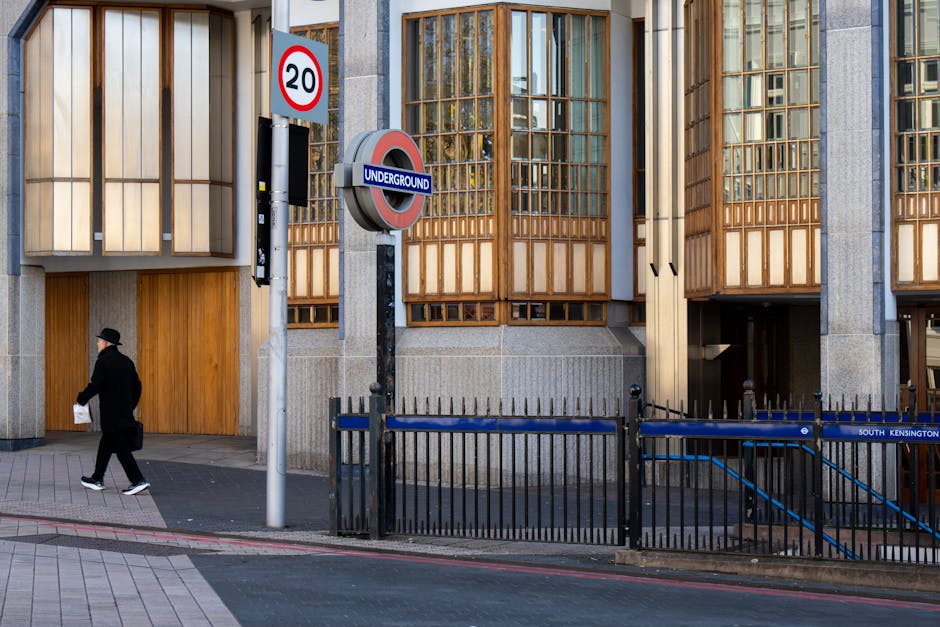
South Kensington is not a place where waste clearance can be handled casually. The area is busy, the roads are often tight, and access can be awkward at certain times of day. If you are near the station, you are likely dealing with basement properties, mansion blocks, period homes, managed flats, offices, or short-turnaround rental lets. All of those come with their own practical quirks.
The simplest reason this matters is that waste left too long becomes a problem. It takes up space, looks messy, can attract complaints, and, in a shared building, can quickly affect neighbours and managing agents. In a commercial setting, it may interfere with trading, deliveries, or health and safety. In a residential move, it can slow down completion deadlines, decorators, or cleaners. Waste removal near South Kensington station SW7 explained is really about keeping a property usable, safe, and presentable without adding stress to the day.
There is also a local reputational angle. In a district known for high-value homes, visitors, and busy streets, the standard people expect is higher. If you are preparing a flat for sale or rent, for example, the difference between a cleared space and a half-cleared one is huge. That is one reason many people pair clearance with broader local planning, such as reading about home transactions in Kensington or the Kensington real estate buying guide when a move is involved.
Truth be told, rubbish can become the hidden delay in an otherwise tidy schedule. You think you are three steps away from done, and then there is still a hallway full of boxes, old shelving, or the remains of a flat-pack project that somehow had twenty-seven screws and no instructions.
How waste removal near South Kensington station SW7 explained works
Most local waste removal services follow a fairly straightforward pattern, but the quality of the experience depends on how well the job is planned. In practical terms, the process usually starts with a description of what needs removing, followed by a quote, then collection, sorting, loading, and disposal or recycling.
The first step is often a quick assessment. You may send photos, list the items, or describe the type of waste. Is it household rubbish, old furniture, garden cuttings, office waste, builders' rubble, or a mixed load? That distinction matters because different materials need different handling. A few black bags are one thing. A load of broken tiles, timber offcuts, and plasterboard is something else entirely.
In South Kensington, access logistics are often part of the service conversation. Is there lift access? Is the property on a busy road? Is parking difficult? Can the team load from a front entrance, or do they need to carry waste through a communal area? Small details like this can affect timing and price, so it is worth being upfront.
After that, removal itself is usually simple. A team arrives, checks the waste, confirms the load if needed, and clears the items. Responsible operators then sort waste for reuse, recycling, or disposal through proper channels. If you are dealing with a specific category of waste, such as building debris, it helps to look at a dedicated service like builders' waste disposal in Kensington.
One useful point that often gets missed: good waste removal is not just about speed. It is about reducing the number of trips, minimising disruption, and avoiding unnecessary landfill where recycling or reuse is possible. That's the bit that separates a decent service from a sloppy one.
Key benefits and practical advantages
Local waste removal offers more than just a clear floor. In a dense area like SW7, the practical advantages can be felt immediately. The space looks better, yes, but it also becomes easier to clean, easier to inspect, and easier to use.
- Time saved: You do not have to make multiple runs to a tip or spend an entire weekend wrestling with a van hire.
- Less disruption: A professional collection can remove waste in one visit, which is especially helpful in flats and managed buildings.
- Better presentation: Important if you are selling, letting, renovating, or simply trying to restore order.
- Safer handling: Heavy, sharp, dusty, or awkward items can be removed more safely with the right equipment.
- Improved sorting: Recyclable materials can be separated rather than mixed into general rubbish.
There is a quieter benefit too. Removing clutter often changes how a property feels. Rooms seem larger. Natural light has more impact. The place breathes a little. That sounds a bit poetic, maybe, but anyone who has stood in a room after an old wardrobe, a stack of broken boxes, and six bags of odds and ends have gone will know what I mean.
For households considering a full or partial reset, house clearance in Kensington can be more appropriate than a simple curbside collection, especially if the job includes furniture, soft furnishings, and mixed household items. Offices, meanwhile, often benefit from a more structured approach through office clearance services.
Who this is for and when it makes sense
Waste removal near South Kensington station SW7 explained is relevant to a surprisingly wide group of people. The most obvious cases are moving house, renovating, or clearing out after a tenancy. But there are other everyday scenarios too.
- Homeowners decluttering before a sale, redesign, or major clean.
- Tenants who need to leave a flat tidy and avoid awkward end-of-tenancy issues.
- Landlords and agents preparing a property between occupants.
- Offices getting rid of desks, filing, packaging, or old stock.
- Builders and decorators needing safe removal of renovation waste.
- Garden owners dealing with hedge cuttings, soil, branches, or soil-contaminated waste.
It also makes sense when access is tricky. If you live in a mansion block, basement flat, or managed building with limited lift capacity, hiring a waste removal service is often simply easier than trying to do it yourself. In those situations, even one large item can become a two-person job and a parking headache. Nobody wants to spend an afternoon figuring out whether a mattress will fit around a tight stairwell. Been there, and it is not fun.
For garden projects, you may want to look at garden waste removal in Kensington, especially if you have cuttings, branches, or heavy bags of green waste that are awkward to transport on foot.
Step-by-step guidance
If you want the process to run smoothly, a bit of preparation goes a long way. Here is a simple way to approach it without overthinking the job.
- Identify the waste type. Separate household waste, furniture, electricals, green waste, and construction debris if possible.
- Estimate the volume. Think in terms of bags, small items, bulky items, or a full room. Photos help a lot.
- Check access. Note stairs, lifts, parking restrictions, entry codes, or shared entrances.
- Choose a suitable service. A mixed household clear-out is different from builder's rubble or office furniture.
- Ask about recycling and disposal. A reputable service should explain what happens to different waste streams.
- Confirm the timing. If you are moving, renovating, or handing back keys, schedule the collection to suit your deadline.
- Prepare the area. Put waste together in one place if safe to do so, and keep walkways clear.
- Review the final load. Make sure any items you want to keep have been set aside before collection starts.
That last step sounds obvious, but it is the one people forget most often. Someone points at a pile and says "take all of this," then ten minutes later realises the lamp they wanted to keep was sitting behind a box of old books. Small mistake, big annoyance.
If you are still deciding what service level you need, the page on matching a clearance service to your rubbish removal needs is a helpful next stop, because the right choice depends more on the waste itself than on the postcode alone.
Expert tips for better results
The best waste removal jobs are usually the boring ones. No drama, no last-minute reshuffling, no mystery items hiding under a sheet. A few small habits make a real difference.
- Sort by category before collection: It helps the team load faster and makes recycling easier.
- Keep hazardous items separate: Paints, chemicals, gas bottles, batteries, and similar items may need special handling.
- Take photos in daylight: Clear images make quoting easier and reduce misunderstandings.
- Measure bulky items: Wardrobes, sofas, and appliances can surprise you, especially in narrow hallways.
- Plan around building rules: Some flats have specific collection windows or concierge procedures.
- Ask what is included: Labour, loading, disposal, and sorting should all be clear before work begins.
A practical local tip: if you are near the station, think about peak foot traffic and loading restrictions. Early morning or mid-afternoon can be easier than the rush of school runs, commuters, and delivery vans. In a busy part of London, timing is half the battle.
Another small but important point: if you care about environmental impact, ask about the operator's recycling approach. Many clients do. A good operator should be able to explain the general approach to reuse and responsible disposal, and you can also read more about recycling and sustainability practices to understand what responsible disposal looks like in practice.
Common mistakes to avoid
Most problems with waste removal are avoidable. The tricky bit is that the mistakes tend to look small at first, then become expensive or time-consuming later.
- Not declaring the full load: Underestimating the volume can lead to delays or a revised quote.
- Mixing special waste with general rubbish: This can complicate handling and disposal.
- Ignoring access issues: A van may not be able to stop where you think it can.
- Leaving waste in shared areas: That can upset neighbours or breach building rules.
- Choosing only on price: The cheapest option is not always the best fit, especially if insurance or compliance is weak.
- Forgetting what stays behind: Keep a final check before the team loads up.
The biggest mistake, honestly, is assuming everything is "just rubbish." Some items need careful handling, and some collections are much easier if you mention details upfront. If you are unsure about the right setup, pricing and quote guidance can help you understand what usually affects the final figure.
And yes, there is a small human element here. People are often embarrassed about how much they have accumulated. Don't be. It happens. Closets happen. Basements happen. One drawer somehow becomes three storage boxes, and suddenly you are sorting old cables from a decade ago. Very normal.
Tools, resources and recommendations
You do not need a huge toolkit to organise waste removal well, but a few simple tools can make the job smoother and safer.
- Gloves: Useful for sharp edges, dusty materials, and general handling.
- Heavy-duty bags or boxes: Better than thin bags that split halfway down the stairwell.
- Labels or marker pens: Great for separating keep, donate, recycle, and remove items.
- Phone camera: Handy for recording the load and sharing photos for a quote.
- Measuring tape: Particularly useful for bulky furniture and access planning.
For practical support, the rubbish clearance service in Kensington is a useful reference point for general household and mixed waste needs. If you want to understand the company background and approach before booking anything, the about us page is worth a look too.
There are also trust-related pages that matter more than many people realise. For example, insurance and safety information is especially relevant if your property includes stairs, fragile surfaces, shared hallways, or valuable fixtures. That is the kind of detail you only appreciate after the first awkward scrape against a painted wall. Not ideal.
Law, compliance, standards, and best practice
Waste removal in the UK is not simply a matter of "take it away and forget it." Responsible operators should follow proper waste handling and disposal practices, and customers should be mindful of their own duty of care when arranging disposal. In practical terms, that means using a provider that can explain where waste goes, how it is sorted, and whether any materials require special handling.
It is sensible to be cautious with items that may fall into specific categories, such as electrical equipment, plasterboard, paint, batteries, fridges, or anything contaminated. Not every item can be treated the same way, and some waste streams need separate treatment. If a provider cannot explain this clearly, that is a warning sign.
For homeowners, landlords, and businesses alike, the safest approach is to keep records of what was removed, who collected it, and any written confirmation you were given. That is especially useful if you are coordinating with a managing agent, a contractor, or an end-of-tenancy handover.
Best practice also includes checking that access routes are protected, especially in shared buildings. Hallways, lifts, and entry points should be treated carefully. Good operators know this instinctively, but a quick conversation beforehand never hurts.
If your situation includes a move, renovation, or an office handover, you may also find it useful to cross-check local context in guides such as an insider's guide to Kensington or the more property-focused is Kensington the best place to live, because the way people use and move through properties in this area often affects waste planning.
Options and comparison table
There is no single right way to remove waste near South Kensington station SW7. The best method depends on volume, access, urgency, and the type of material. Here is a straightforward comparison.
| Option | Best for | Advantages | Drawbacks |
|---|---|---|---|
| DIY tip run | Small loads and flexible schedules | Direct control, potentially lower upfront cost | Time-consuming, parking and transport hassle, multiple trips |
| Skip hire | Longer projects with predictable volume | Useful for renovations, can hold larger volumes | Needs space and permits may be required depending on placement |
| Man and van style collection | Mixed waste, bulky items, quick clear-outs | Fast, flexible, labour included | Less ideal for very large, long-term projects |
| Specialist clearance | House, office, garden, or builders' waste | Tailored approach, better handling of specific waste types | May cost more than a basic drop-off if the job is small |
In South Kensington, the man-and-van or specialist clearance route is often the most practical because of access constraints. Skips can work, of course, but the reality of parking and permit logistics in central London means they are not always the easiest fit. If you are mainly clearing construction debris, a dedicated option like builders waste disposal may be the cleaner match.
Case study or real-world example
Here is a realistic example. A couple moving out of a flat a short walk from South Kensington station realised, two days before handover, that they still had a dismantled bed frame, a broken chest of drawers, four bags of mixed household rubbish, and a few old small appliances they had forgotten about. The lift in the building was tiny, the hallway was narrow, and their own car was nowhere near big enough.
Instead of trying to make several trips themselves, they grouped everything by type, took clear photos, and arranged a collection that could be done in one visit. The team was able to assess the load, carry items down carefully, and clear the flat in a relatively short window. The couple then used the now-empty space for a final deep clean and a quick walk-through before returning keys.
The practical lesson is simple: the more you plan the waste phase, the less it interferes with the rest of the move. That matters because moving days are already noisy and slightly chaotic. Keys, paperwork, boxes, someone asking where the kettle is, the usual. Removing waste early can take one whole layer of stress off the table.
In a commercial version of the same story, an office might need to clear out filing cabinets, obsolete chairs, and packaging waste before a refurbishment team arrives. In that case, office clearance in Kensington is often the more relevant service than general rubbish removal.
Practical checklist
Use this checklist before booking or collection day. It keeps the process tidy, and it saves that annoying moment when you realise one important thing was left unmentioned.
- Have I identified what type of waste I am removing?
- Do I know roughly how much there is?
- Have I checked for items that need special handling?
- Have I photographed the waste from a few angles?
- Do I know whether the property has stairs, lift access, or parking limits?
- Have I checked building rules or concierge procedures?
- Have I separated anything I want to keep?
- Have I asked about recycling and disposal methods?
- Have I confirmed timing and access details?
- Am I clear on the quote, including what is and is not included?
If you tick most of those off, you are in a good place. Not perfect, maybe. But good enough to avoid the awkward surprises that tend to slow everything down.
Conclusion
Waste removal near South Kensington station SW7 explained comes down to one basic idea: make a busy, awkward job feel manageable. In this part of London, the best outcome is rarely about brute force. It is about good timing, clear communication, proper handling, and choosing the right service for the right type of waste.
If you are clearing a flat, handling renovation debris, emptying an office, or just trying to get on top of clutter, the smartest approach is to plan the removal as early as possible. That gives you more control, fewer surprises, and a much cleaner finish. And once the space is clear, you feel it straight away. A bit more breathing room. A bit less noise in the head, too.
Get a free quote today and see how much you can save.
When you are ready, the next step is simple: compare your options, check the access, and choose the route that fits your property and your timeline. Small decision, big relief.


From a young age, Blair has cultivated a passion for order, which has now matured into a prosperous profession as a waste removal specialist. She derives satisfaction from transforming disorderly spaces into practical ones, aiding clients in conquering the burden of clutter.
 Tipper Van - Waste Disposal and Rubbish Clearance Prices in Kensington, SW7
 Luton Van - Waste Disposal and Rubbish Clearance Prices in Kensington, SW7