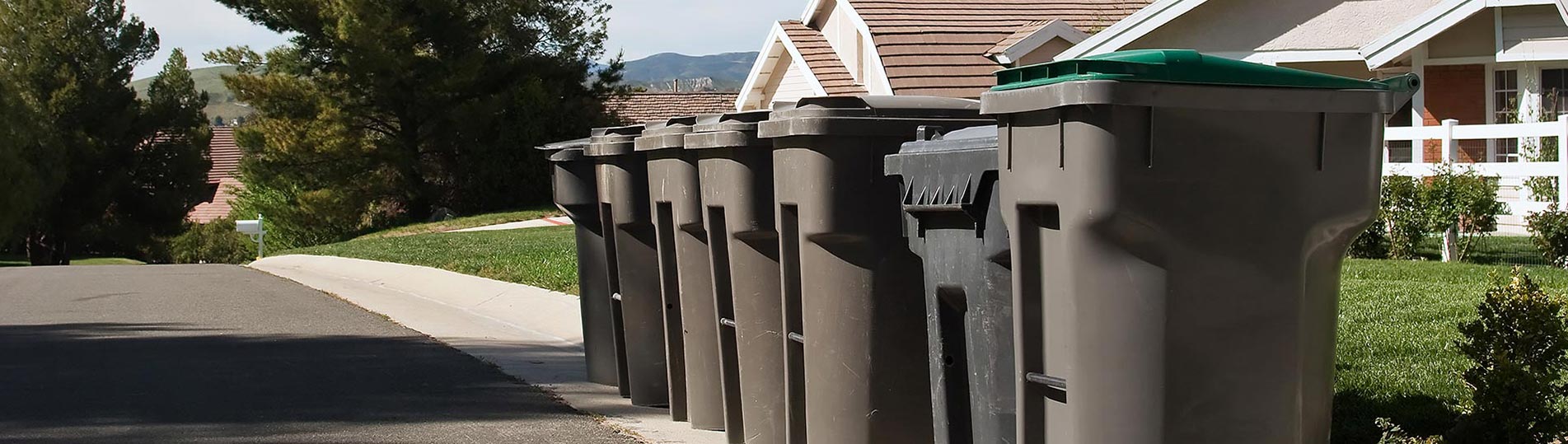
Common problems with rubbish trucks in narrow Kensington streets
Posted on 12/06/2026
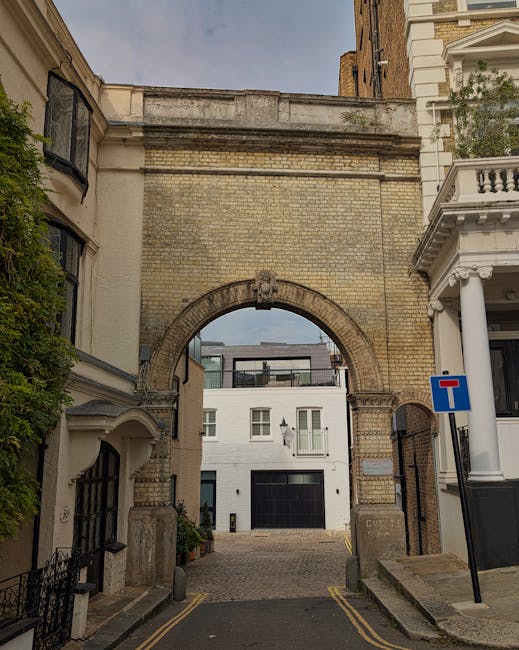
Narrow streets can turn a simple refuse collection into a surprisingly awkward job. In Kensington, where elegant terraces, mansion blocks, mews, and busy side roads often leave little room to breathe, rubbish trucks have to work around parked cars, tight bends, delivery vans, pedestrians, and the occasional bin that seems to have been left in exactly the wrong spot. If you have ever heard a truck revving, pausing, and then reversing for what feels like an age, you already know the problem.
This guide explains the common problems with rubbish trucks in narrow Kensington streets, why they happen, and what residents, landlords, managing agents, and businesses can do to make collections smoother. It also covers practical planning tips, safety concerns, and the small but important details that can save everyone a lot of hassle. To be fair, a little forethought makes a huge difference here.
Why Common problems with rubbish trucks in narrow Kensington streets Matters
Kensington is beautiful, but it is not exactly designed like an industrial estate. Many roads are narrow, lined with parked vehicles, and shared by lots of different users throughout the day. That means a collection vehicle may have only a small window to enter, stop safely, load waste, and move on. If anything blocks the route, the whole process can slow down or fail completely.
When collections are disrupted, the knock-on effects are easy to spot. Bins overflow. Pavements get cluttered. Residents complain about smell and mess. Businesses lose time waiting for access. And in residential streets, a truck that cannot position properly may need extra manoeuvring, which increases risk for cars, walls, railings, and pedestrians. No one wants a scrape against a bay window or a kerbside pile-up just because access was tight.
This is why access planning matters just as much as the actual waste removal. In dense parts of London, especially around townhouse rows, basement flats, and converted buildings, the challenge is not only volume of waste. It is geometry. The street layout, the parking pressure, and the timing all shape the success of the collection.
Practical summary: in narrow Kensington streets, rubbish collection is usually less about "can the truck collect?" and more about "can the truck safely reach, load, and leave without blocking the road or damaging anything?" That is the real question.
If you are comparing waste handling options for your property, it can help to look at the broader service picture on the services overview and the more general rubbish clearance in Kensington page. Those pages give useful context for the different types of jobs that need a bit of local flexibility.
How Common problems with rubbish trucks in narrow Kensington streets Works
In a perfect world, a collection truck pulls up, the crew loads the waste, and the vehicle leaves without drama. In narrow streets, though, several things have to line up at once.
1. Access has to be physically possible
The vehicle needs enough width to enter and enough room to stop without completely blocking the road. If the street is too tight, the truck may have to park further away and the team may need to move items by hand or use smaller equipment. That sounds simple until you picture carrying heavy black sacks or broken furniture around parked cars on a wet morning. Not fun.
2. Turning space matters more than most people expect
A street may look wide enough from one end, but the turning circle at the far end can be the real issue. Culs-de-sac, bends, and irregular junctions can make it impossible for a larger vehicle to safely reverse or turn. This is where crews have to make judgment calls, sometimes on the spot.
3. Parking pressure changes everything
Kensington streets are often busy with resident parking, visitor parking, and delivery vehicles. Even if the road itself is technically wide enough, a single poorly parked car can make a collection impossible. That is why morning timing and clear space near the property frontage are so important.
4. Pedestrian activity creates safety risks
Side streets may look quieter than main roads, but they are still used by people walking dogs, going to school, carrying shopping, or moving between homes. A collection crew has to watch for pedestrians, cyclists, and small children who may not realise a reversing vehicle is manoeuvring nearby.
5. Loading can take longer than expected
Wasted minutes add up fast. Items may be in basements, lofts, shared bin stores, rear gardens, or upper floors. In the case of older Kensington homes, access paths can be awkward and narrow inside as well as outside. So the "truck problem" is often actually a whole-site access problem.
That is why local knowledge helps. A team familiar with the area will think about the street profile, likely pinch points, and the best time to arrive. If you want a more detailed sense of how location-specific waste jobs are handled, the article on waste removal near South Kensington Station gives a good local example of how access and timing shape the job.
Key Benefits and Practical Advantages
It may sound odd to talk about benefits when the subject is basically street congestion and a big truck trying to squeeze through, but there are real upsides when collections are planned properly. The difference is noticeable.
- Less disruption for neighbours - fewer blocked driveways, fewer arguments, fewer awkward conversations.
- Lower risk of damage - better positioning means less chance of scraping walls, gates, parked cars, or kerbs.
- Faster collections - if the crew can access the load point quickly, they spend less time on site.
- Improved safety - reduced reversing, fewer pedestrians forced into the road, and clearer movement around the truck.
- Better customer experience - the day feels organised rather than chaotic. That matters more than people admit.
There is also a quieter benefit: better waste handling supports the general look and feel of the street. In a place like Kensington, where people care about presentation and property upkeep, one tidy collection can prevent a whole chain of visible mess. A missed pickup can sit there all day, and by late afternoon it looks, well, a bit grim.
For households dealing with bigger clear-outs, it can be worth looking at the most suitable waste solution in advance. Pages such as house clearance in Kensington, office clearance in Kensington, and garden waste removal in Kensington help match the job to the right service type.
Who This Is For and When It Makes Sense
This topic matters to more people than you might expect. It is not just for residents on a small road with a tricky bend. It is relevant to landlords, letting agents, managing agents, builders, office managers, and anyone arranging bulky waste removal in an area where the street layout is less than generous.
- Homeowners planning a loft clear-out, move, or refurbishment
- Tenants who need to clear waste before checkout or end of tenancy
- Landlords and agents handling multiple units or post-tenancy rubbish
- Developers and trades producing builders' waste on tight residential roads
- Business owners in small offices or mixed-use buildings with limited loading access
- Residents' associations and block managers trying to reduce repeated access issues
It especially makes sense to think ahead if your property sits on a road with frequent parking pressure, a one-way layout, a school nearby, or a time-restricted loading pattern. If you are in the middle of a move, you will notice the pressure almost immediately. Boxes pile up. The hallway narrows. The skip quote starts looking tempting. Then reality checks in.
For people comparing local area context and property movement patterns, these related articles may also help: home transactions in Kensington, clearing loft rubbish before a move, and the Kensington real estate buying guide.
Step-by-Step Guidance
Here is a practical way to reduce problems before collection day. It is not complicated, but it does need a little care.
- Check the access point properly. Walk the route from the property to the street. Look for tight corners, steps, low railings, bollards, and any objects that could block movement.
- Measure the obvious pinch points. You do not need to be exact to the millimetre, but a rough sense of gate width, driveway space, and turning room is very helpful.
- Think about parking restrictions. Is the road usually full by mid-morning? Is there school traffic? Will a delivery van usually be parked where you need it? These details change the plan.
- Separate the waste before the truck arrives. Bag smaller items, keep recyclables separate where possible, and put bulky items together in one easy-to-reach place.
- Remove obstacles from the route. Move bikes, bins, prams, planters, and loose items. One forgotten planter can slow everything down, annoyingly so.
- Tell the team about anything unusual. A low basement step, shared entrance, security gate, or awkward rear passage is worth mentioning beforehand.
- Allow extra time. Tight streets rarely run exactly to the minute. A slightly more generous slot makes the day feel calmer.
If the street is especially difficult, the best approach may be a smaller-vehicle collection, a kerbside handover, or a staggered load-out from the property. The right answer depends on access, volume, and the nature of the waste. That is why a quick site conversation before the job can save a lot of back-and-forth later.
Expert Tips for Better Results
Experience tends to teach the same lesson over and over: the best collections are the ones that look boring from the outside. Smooth, quiet, organised. That is the goal.
Plan around the street, not just the property
People often focus on the flat or house and forget the street outside. Yet a beautifully organised property can still be difficult to service if the road is cluttered with parked cars or if the only loading point is awkward.
Choose the least congested time of day
In many Kensington streets, early morning can be easier than late morning because parking pressure builds quickly. On some roads, the reverse is true. A local eye helps. If a crew knows the street, they can often tell you the least awkward window. Simple, but useful.
Keep communication short and specific
Instead of saying "the road is a bit tight," explain what makes it tight: parked cars on both sides, a narrow gate, a basement entrance, or a bend near the property. Specific details are what help a crew plan properly.
Use a staging area
If safe and practical, move items to a clearly marked staging area near the entrance. That reduces repeated trips and lowers the chance of blocking the corridor or pavement. Just be sure the pile does not become a hazard itself. It happens. More often than people think.
Keep neighbours in mind
A polite note or a quick heads-up can prevent complaints if access is likely to be temporarily affected. In tightly packed streets, courtesy goes a long way. It really does.
For jobs where timing is especially sensitive, this local article on same-day rubbish removal delays in Kensington is worth a look. It covers the sort of last-minute hiccups that crop up when access, traffic, and scheduling all collide at once.
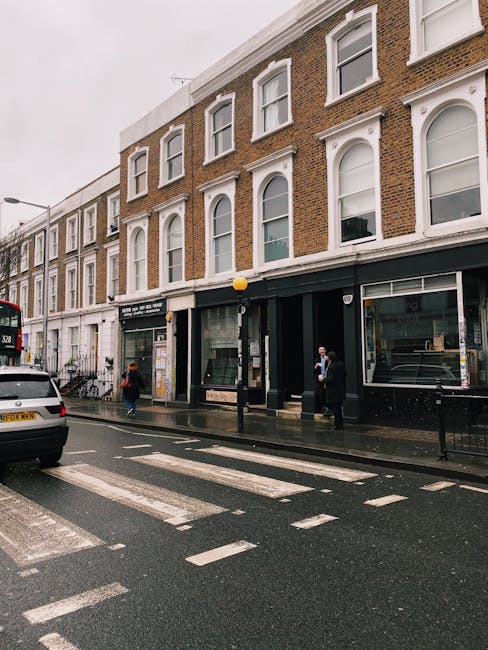
Common Mistakes to Avoid
The same mistakes tend to repeat in narrow streets. Some are minor. Others are expensive or annoying, depending on how unlucky the day gets.
- Assuming any truck will fit. Bigger is not always better in Kensington. Sometimes it is the opposite.
- Leaving parking issues until the last minute. A road that looks clear in the evening may be full by morning.
- Putting waste in too many locations. Scattered items take longer to collect and often create more handling risk.
- Forgetting about shared access. Mews, courtyards, communal entrances, and rear lanes can complicate the route.
- Failing to mention fragile or heavy items. Fridges, glass, mirrors, and large furniture need a bit more care than general sacks.
- Ignoring neighbour access. Blocking someone's driveway or bin store is a quick way to make a normal job awkward.
One of the more common misunderstandings is thinking the crew can simply "make it work" no matter what. In practice, safety has to come first. If access is unsafe, the collection has to be adjusted. That might mean a smaller load, a different stopping point, or a manual carry from a more suitable location.
For building-related waste, the article on builders' waste disposal in Kensington can be useful because site debris, plasterboard, timber, and packaging often require more planning than household rubbish.
Tools, Resources and Recommendations
You do not need a toolkit full of specialist gear to handle narrow-street waste collection better. But a few simple resources make life easier.
| Tool or resource | What it helps with | Why it matters |
|---|---|---|
| Tape measure or rough width estimate | Checking gates, alleyways, and entrance points | Stops unrealistic assumptions about access |
| Phone photos of the route | Showing steps, corners, parking pressure, and obstacles | Helps plan the collection before arrival |
| Simple item list | Listing bulky, heavy, or fragile waste | Makes loading and manpower planning more accurate |
| Building manager or concierge notes | Confirming access times and restrictions | Useful for flats and managed buildings |
| Service overview page | Choosing the right waste handling option | Prevents mismatched bookings |
If you are comparing service routes, the pages for waste removal in Kensington and recycling and sustainability are helpful for understanding how different waste streams may be separated, handled, or directed for reuse where suitable.
For trust and service reassurance, it is also sensible to review practical company information such as insurance and safety, payment and security, and the pricing and quotes page so you know what to expect before the day arrives.
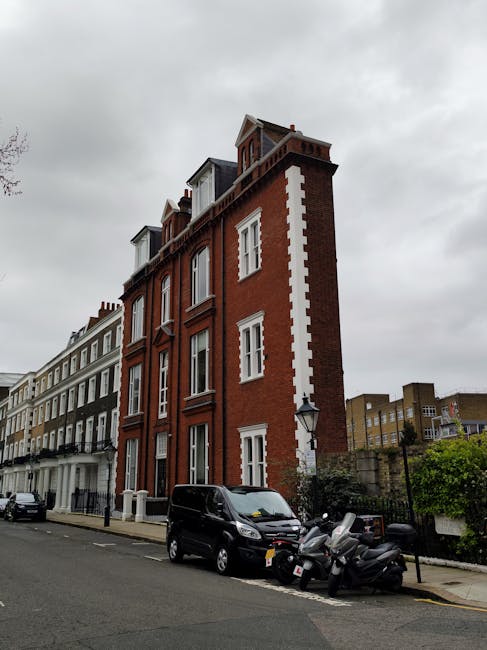
Law, Compliance, Standards, or Best Practice
For waste collections in tight residential streets, the most important point is not to improvise in a way that creates risk. In the UK, waste carriers and collection teams are expected to handle waste responsibly, avoid unsafe manoeuvres, and respect street access, pedestrian movement, and property boundaries. Exact legal duties can vary depending on the type of waste and the site setup, so it is always wise to check the specifics for the job at hand.
Best practice usually includes:
- using a vehicle suitable for the road and access conditions
- avoiding unsafe reversing where possible
- keeping pedestrians and residents clear of the working area
- not blocking emergency access
- separating waste where recycling or recovery is appropriate
- keeping the collection tidy and leaving the area safe afterwards
For residents and property managers, the practical side is just as important. If a collection may affect shared entrances, loading areas, or building access, a little planning can reduce complaints and prevent a messy situation. That is especially true for flats, managed buildings, and mixed-use properties. Some streets in Kensington have a quiet, almost village-like feel at 8 a.m., and then turn into a steady stream of traffic twenty minutes later. Timing matters, a lot.
If you need more background on company standards and wider service expectations, the website's pages on about us, terms and conditions, privacy policy, cookie policy, and modern slavery statement provide useful supporting context.
Options, Methods, or Comparison Table
There is no single correct way to handle waste on a narrow street. The best choice depends on the amount of waste, access conditions, and how quickly it needs to go. Here is a simple comparison.
| Method | Best for | Pros | Trade-offs |
|---|---|---|---|
| Large collection truck | Clear access roads and bigger loads | Efficient, fewer trips, good for volume | May struggle in very narrow or parked-up streets |
| Smaller vehicle or partial load | Tight roads, short loading windows | More flexible, easier to position | May require more trips or staging |
| Kerbside handover | Properties close to the street | Quick, simple, less interior handling | Depends heavily on parking space and safe pavement access |
| Staged pickup from inside the property | Basements, rear gardens, upper floors | Flexible for difficult buildings | Longer handling time, more physical work |
For many Kensington addresses, the smartest approach is not the biggest vehicle but the most adaptable one. That is especially true on streets with repeated parking churn or awkward access behind terraces. It sounds obvious when you say it out loud, yet plenty of problems start with the wrong vehicle choice.
Case Study or Real-World Example
Here is a realistic scenario, based on the sort of job that comes up all the time in Kensington.
A resident in a Victorian terrace near a narrow side street needs to clear a mixture of old furniture, loft boxes, and renovation offcuts before a move. The street has cars parked on both sides by late morning, and the property entrance sits a short way back from the road. On paper, the waste load is not huge. In practice, it is awkward.
The first attempt would have been to bring a large vehicle directly to the front. That would likely have caused problems because the road narrows near a bend and resident parking cuts into the usable space. Instead, the waste is staged inside the property near the front door, photos are shared in advance, and the crew arrives early enough to use the quieter part of the street. The collection is completed with minimal fuss, no blocked driveway, and no need for a second attempt.
The real lesson? The waste itself was not the issue. Access was.
That is the pattern in narrow Kensington streets more often than not. When the route, timing, and load type are thought through properly, even a tricky job becomes manageable. Not effortless, just manageable. Which, honestly, is what most people need on a moving week.
Practical Checklist
Use this quick checklist before collection day:
- Confirm the exact address and access route
- Check for parking restrictions or usual congestion times
- Move loose items, bikes, and bins out of the way
- Group waste by location and type
- Flag stairs, basements, gates, or rear access issues
- Keep fragile or heavy items clearly identified
- Make sure the pavement or frontage can be used safely
- Give neighbours a heads-up if the collection may briefly affect shared access
- Allow extra time for loading in tight streets
- Review the service and payment details before the visit
That last point sounds boring, but it avoids confusion later. And let's face it, no one enjoys a messy surprise at the end of a day that has already involved stairwells, kerbs, and a stubborn wardrobe.
Get a free quote today and see how much you can save.
Conclusion
The common problems with rubbish trucks in narrow Kensington streets usually come down to one thing: access. Tight roads, parked cars, pedestrians, awkward building layouts, and timing pressures all combine to make collections more complicated than they first appear. But with careful planning, clear communication, and the right type of collection method, most of those issues can be reduced or avoided.
For residents and property managers, the best result is a collection that feels almost invisible to the street. No drama, no damage, no long delays. Just a clean handover and a tidy road afterwards. In a place like Kensington, that quiet efficiency matters. It respects the street, the neighbours, and your own time.
And honestly, that is the aim: less stress, less mess, and a smoother day all round.

From a young age, Blair has cultivated a passion for order, which has now matured into a prosperous profession as a waste removal specialist. She derives satisfaction from transforming disorderly spaces into practical ones, aiding clients in conquering the burden of clutter.
 Tipper Van - Waste Disposal and Rubbish Clearance Prices in Kensington, SW7
 Luton Van - Waste Disposal and Rubbish Clearance Prices in Kensington, SW7